
소로롤의 공부
Henry Kissinger’s Leadership— On the Leaders Who Shaped the Course of Modern World History — 본문
Henry Kissinger’s Leadership— On the Leaders Who Shaped the Course of Modern World History —
소로롤 2025. 10. 19. 15:22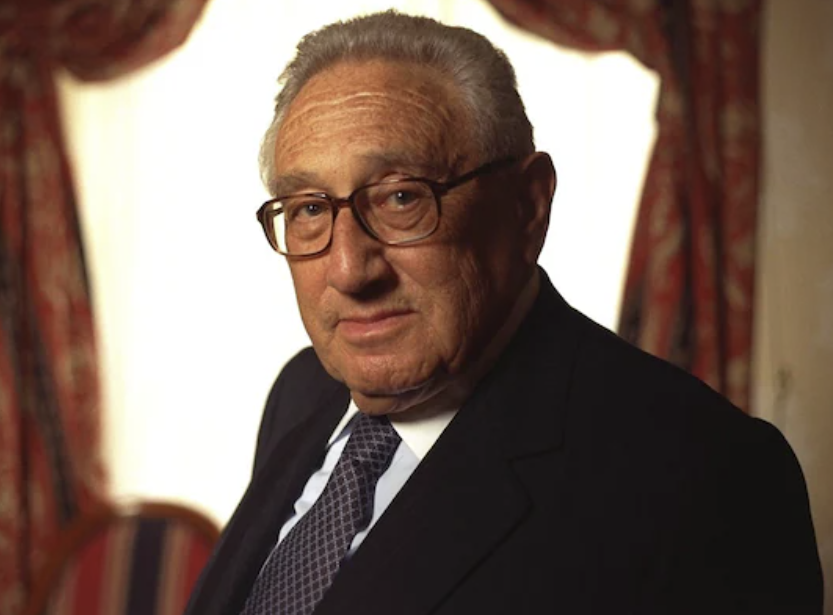
Henry Kissinger’s Leadership
— On the Leaders Who Shaped the Course of Modern World History —
Henry Kissinger, a German-born Jew, fled Nazi persecution and immigrated to the United States, where he earned a Ph.D. from Harvard University with a dissertation on nuclear policy. He later served as a policy advisor in key government institutions such as the U.S. Department of State, Department of Defense, and the White House. In particular, during the Nixon administration, he laid the foundation for U.S. foreign policy in the 20th century, most notably through the historic rapprochement between the United States and China.
Leadership, written when Kissinger was 99 years old, is a remarkable work in which he explores the essence of leadership through the lives of world leaders he personally knew and advised. Drawing on real conversations and firsthand experiences, the book offers vivid and historically valuable insights.
Kissinger examines six exceptional leaders who demonstrated unique forms of leadership:
- Konrad Adenauer (Germany) — Rebuilt West Germany from the ruins of war and established the foundation for its economic miracle and eventual reunification.
- Charles de Gaulle (France) — Led the Free French Forces during World War II and later restored France’s sovereignty and global stature.
- Richard Nixon (United States) — Achieved the historic U.S.–China rapprochement that paved the way for easing Cold War tensions. Though controversial in domestic politics, his impact on international relations was profound.
- Margaret Thatcher (United Kingdom) —
After the Beveridge Report, Britain had embraced a welfare state symbolized by the slogan “from cradle to grave,” seeking to realize positive liberty for its citizens. However, by the 1970s, excessive welfare spending and declining productivity had led to the so-called “British disease.” Thatcher boldly shifted to a neoliberal policy direction, pursuing privatization, deregulation, and labor union reform. Her efforts reduced inefficiency, restored market dynamism, and revitalized the British economy.
Other case studies include Anwar Sadat of Egypt and Lee Kuan Yew of Singapore.
From this book, three key lessons emerge:
- History does not move in a straight line.
- Great leaders and nations possess both light and shadow; we must learn from both.
This naturally raises a fundamental question: What drives historical change—the power of individual agency, or the force of structural conditions?
Kissinger, and I as well, favor an eclectic approach: when structural conditions mature, human agency operates upon that foundation to fulfill its historical mission.
Ultimately, Leadership is not merely a collection of biographical sketches but an intellectual legacy that probes the very nature of 20th-century international politics. Through the decisions and dilemmas of these figures, Kissinger asks a timeless question: How should a leader bear responsibility amid the unfolding current of history?
'Books' 카테고리의 다른 글
| 아시아 세기는 정말 올 것인가?— The End of Asian Century를 읽고 (0) | 2025.10.14 |
|---|---|
| After Reading Ian Kershaw’s Politicians and Power (0) | 2025.10.09 |